Exercise 5.8
1. Examine whether the following are polygons. If any one among them is not, say why?
(i)
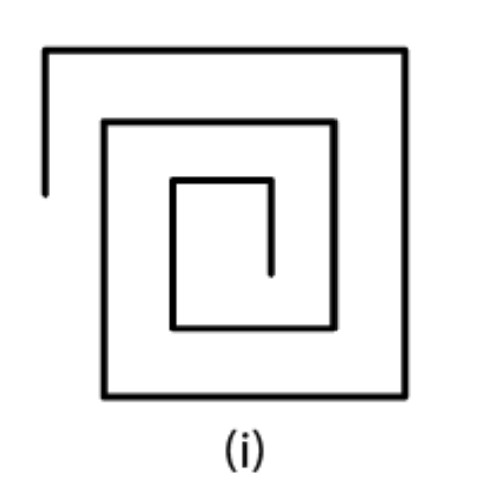 Solution: It is not a closed figure. Hence, it is not a polygon.
(ii)
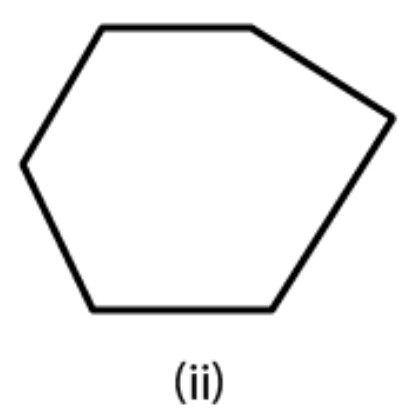 Solution: It is a polygon made of six sides.
(iii)
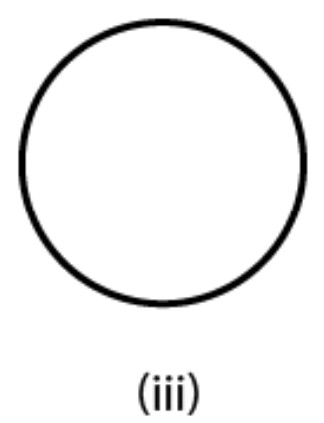 Solution: No, it is not a polygon because it is not made of line segments (it is a circle).
(iv)
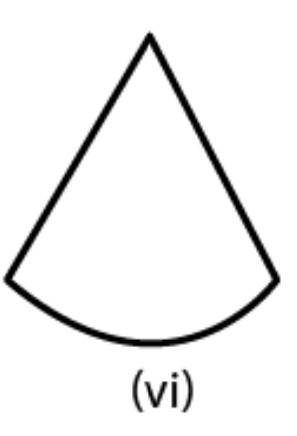 Solution: It is not a polygon, as it is not entirely made of line segments (it has a curved part).
2. Name each polygon.
(a)
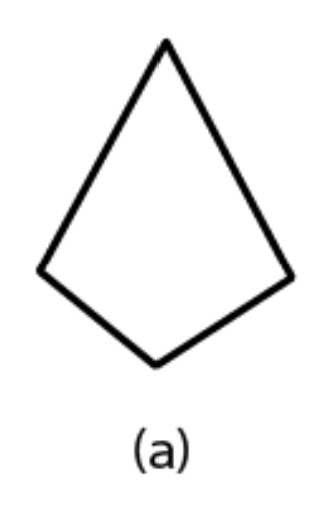 Solution: It is a closed figure and is made of four line segments. Hence, the given figure is a quadrilateral.
(b)
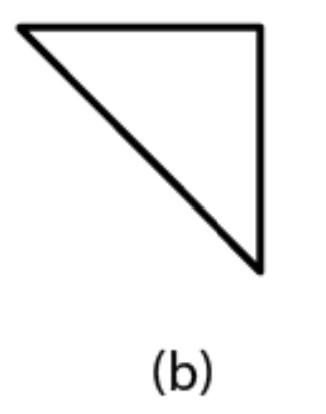 Solution: The given figure is a triangle, as it is a closed figure with 3 line segments.
(c)
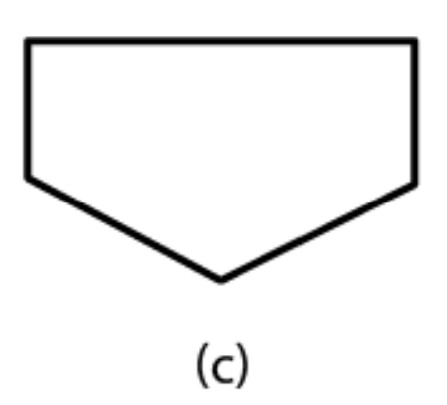 Solution: The given figure is a pentagon, as the closed figure is made of 5 line segments.
(d)
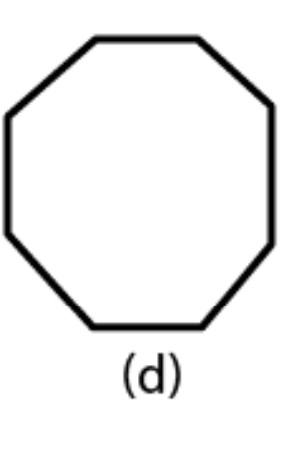 Solution: The given figure is an octagon, as it is a closed figure made of 8 line segments.
3. Draw a rough sketch of a regular hexagon. Connecting any three of its vertices, draw a triangle. Identify the type of triangle you have drawn.
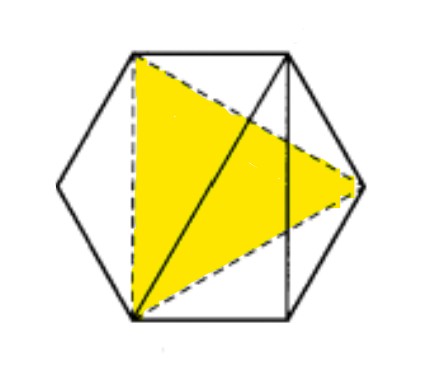
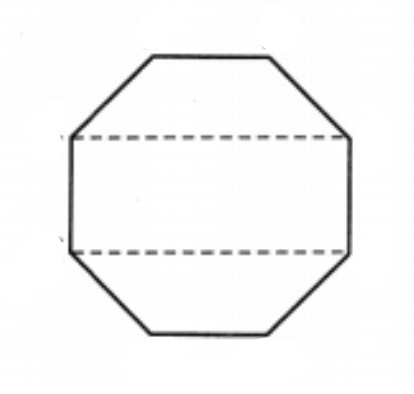
4. Draw a rough sketch of a regular octagon. (Use squared paper if you wish.) Draw a rectangle by joining exactly four of the vertices of the octagon.
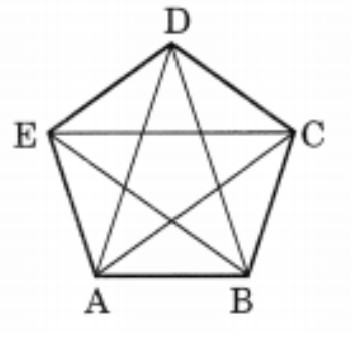
5. A diagonal is a line segment that joins any two vertices of the polygon and is not a side of the polygon. Draw a rough sketch of a pentagon and draw its diagonals.